#1 Plastic Injection Molding Services: The Engine of Modern Plastic Product Manufacturing
Discover how this transformative process powers industries worldwide and how Sark Group delivers precision, quality, and innovation for your most demanding projects through expert plastic injection molding services.
Explore Our Manufacturing Facilities Request a Quote
What is Plastic Injection Molding?
At its core, plastic injection molding is a foundational manufacturing process for producing parts by injecting molten material into a precisely crafted mold. It is the most common modern method of plastic product manufacturing and is ideal for producing high volumes of identical objects with exceptional consistency. The versatility of this technique is staggering, capable of creating everything from tiny, intricate components like medical syringe parts to large, structural pieces like entire car body panels.
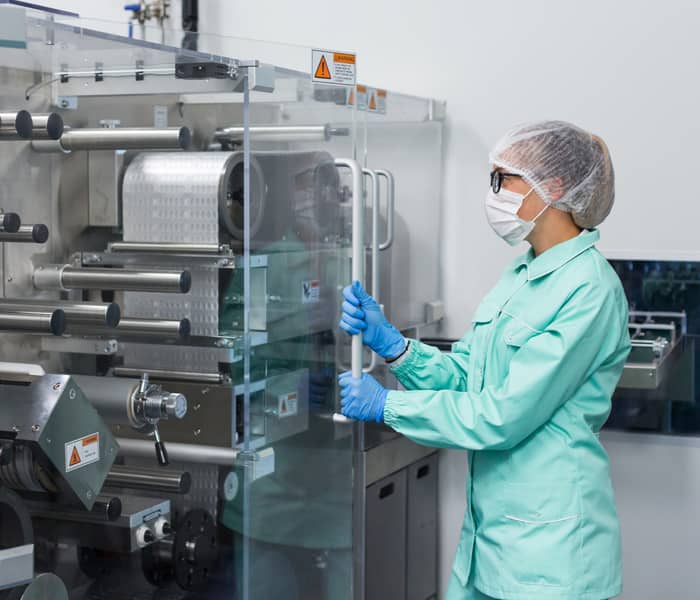
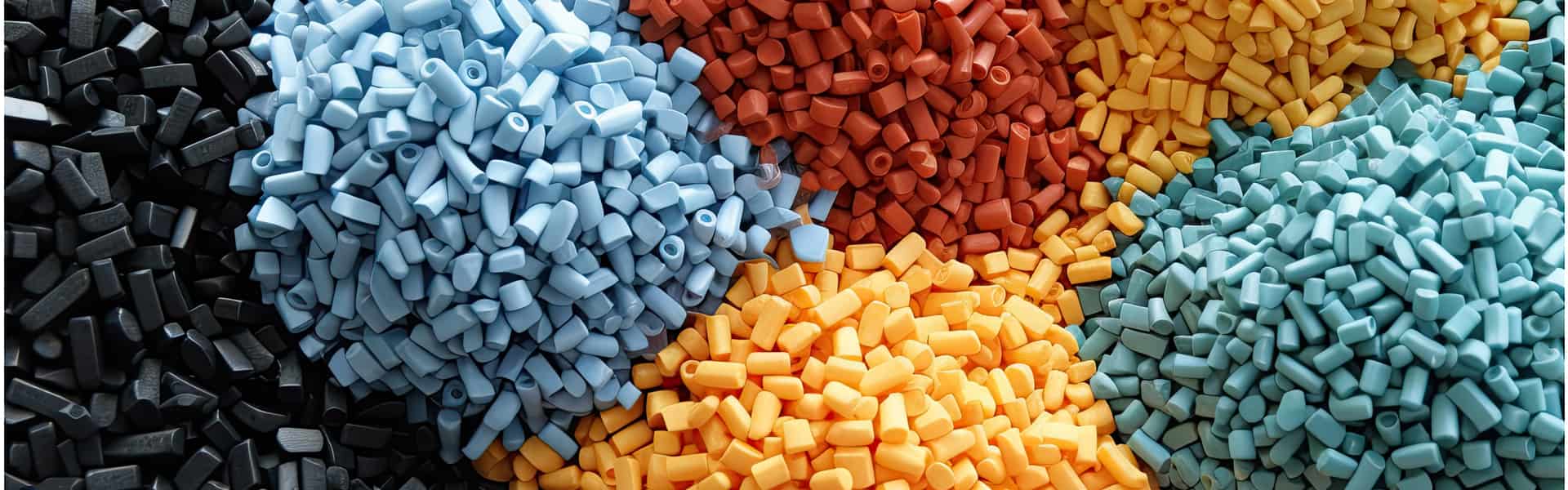
The process begins with raw plastic material, usually in pellet form, being fed into a heated barrel of an injection molding machine. Inside, a reciprocating screw mixes and melts the polymer before injecting it under high pressure into a closed metal mold cavity. The material cools and solidifies almost instantly, taking the exact shape of the mold, and is then ejected as a finished part. This cycle repeats every few seconds, enabling the high-volume output that defines efficient plastic product manufacturing.
Thermoplastics vs. Thermosets in Injection Molding
| Feature | Thermoplastics (e.g., ABS, Polypropylene, Nylon) | Thermosets (e.g., Epoxy, Silicone, Polyurethane) |
|---|---|---|
| Material Behavior | Can be reheated, melted, and reshaped repeatedly. | Undergo an irreversible chemical cure; cannot be remelted. |
| Primary Use in Molding | Extremely common; suited for a vast majority of applications. | Used for specific applications requiring high heat resistance or structural permanence. |
| Recyclability | Generally recyclable, supporting sustainable plastic product manufacturing. | Not recyclable through conventional melting processes. |
| Example Products | Bottle caps, automotive dashboards, consumer electronics housings. | Electrical insulators, appliance handles, silicone rubber parts. |
The Injection Molding Process: A Step-by-Step Breakdown
Understanding the meticulous stages of plastic injection molding reveals why it is unparalleled for precision and repeatability. The process is a symphony of mechanical force, thermal control, and precise timing.
- Clamping: The two halves of the mold are securely closed and held together by a powerful clamping unit, which must withstand the immense injection pressure.
- Injection: Plastic pellets are melted in the barrel. The molten plastic is then injected at high speed and pressure through a nozzle and runner system into the mold cavity.
- Cooling: The molten plastic inside the mold begins to cool and solidify, taking its final shape. Efficient cooling through internal mold channels is critical for cycle time and part quality.
- Ejection: After sufficient cooling, the mold opens, and ejector pins gently push the finished part out of the mold cavity. The mold then closes, and the cycle repeats.
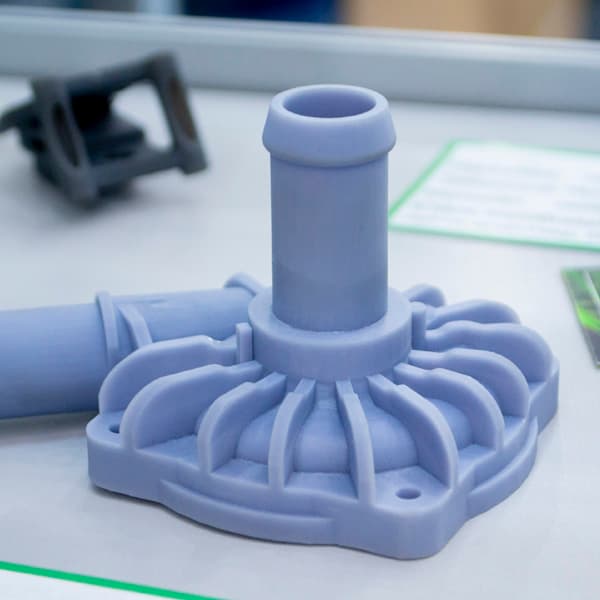
The heart of this process is the mold itself—a masterpiece of plastic mold manufacturing. Molds are typically machined from hardened steel or aluminum and can contain single or multiple cavities, allowing for the simultaneous production of several parts in one cycle. The investment in high-quality mold-making is substantial but pays off through millions of consistent cycles, making it the cornerstone of cost-effective mass production in plastic product manufacturing.
Why Industries Rely on Injection Molding
The dominance of plastic injection molding across sectors is no accident. It offers a unique combination of benefits that other plastic product manufacturing processes struggle to match.
- Unmatched Efficiency & Scalability: Once the mold is created, cycle times are incredibly short—often under a minute—enabling the production of thousands of parts per day. The cost per part decreases dramatically with volume, making it the most economical choice for mass production.
- Exceptional Precision and Complexity: The process can produce parts with intricate geometries, tight tolerances (as tight as ±0.003 inches), and excellent surface finishes straight out of the mold. This eliminates or reduces the need for secondary machining.
- Material and Design Versatility: Thousands of engineered polymer blends are compatible with injection molding, allowing manufacturers to select materials with specific properties like strength, flexibility, chemical resistance, or color.
- Strength and Reliability: Parts can be engineered with uniform wall thickness and reinforced with ribs or bosses, resulting in strong, lightweight components that often replace metal parts.
- Minimal Waste: Unlike subtractive processes, injection molding generates very little scrap. Any excess material (like sprues and runners) can often be reground and reused.
Injection Molding vs. Other Plastic Manufacturing Processes
| Process | Best For | Volume | Key Consideration |
|---|---|---|---|
| Injection Molding | Complex, high-precision parts with excellent finish. | High-volume mass production. | High initial tooling cost, low per-part cost. |
| 3D Printing | Prototyping, highly complex one-off designs. | Very low to low volume. | No tooling needed, but slower and higher cost per part for volume. |
| CNC Machining | Prototypes & parts with very tight tolerances from solid plastic. | Low to medium volume. | Subtractive process; material waste and cost increase with complexity. |
| Thermoforming | Large, simple-shaped parts like panels and trays. | Low to high volume. | Lower tooling cost, but limited to simpler geometries. |
Sark Group: Engineering Excellence in Plastic Injection Molding
At Sark Group, we have transformed advanced plastic injection molding from a process into an art form backed by three decades of engineering expertise. As a leading force in precision plastic product manufacturing, we understand that our clients need more than just parts; they need a reliable partner who ensures quality, innovation, and on-time delivery from concept to completion.
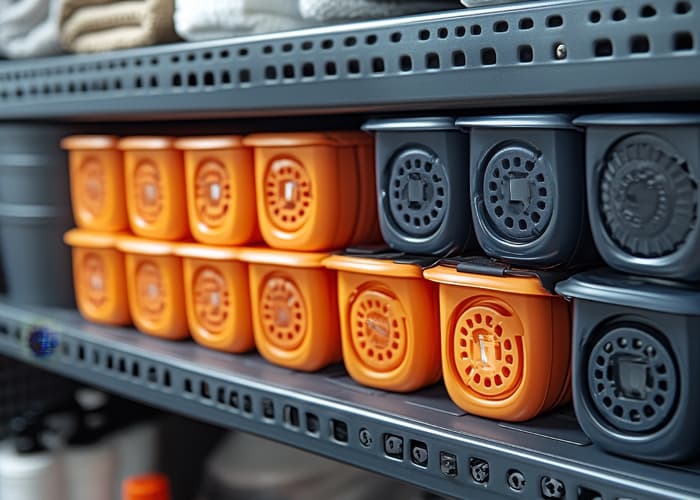
Our Core Capabilities and Infrastructure
Our commitment to excellence is built on a formidable operational foundation designed for the demands of global industries.
- State-of-the-Art Manufacturing Fleet: Our facilities house over 90+ highly precise, CNC-controlled injection molding machines. This allows us to handle a vast spectrum of part sizes and complexities, from micro-components to large assemblies.
- End-to-End Vertical Integration: We control the entire value chain in-house. Our services encompass plastic mold manufacturing, precision injection molding, product assembly, and fulfillment. This integration minimizes lead times, ensures stringent quality control at every stage, and gives you a single point of accountability.
- Uncompromising Quality Systems: We are an ISO 9001:2015 and IATF 16949:2016 certified company. Our dedicated quality control lab performs rigorous inspections, ensuring every part meets or exceeds the strictest international standards, particularly for automotive and other regulated industries.
- Strategic Scale and Location: With multiple manufacturing units spanning over 110,000 sq. ft. in Northern India (Chandigarh and Himachal Pradesh), we possess the capacity and strategic location to reliably supply both domestic and international markets.
Beyond Standard Molding: Sark Group's Advanced Services
Modern product challenges require advanced solutions. Sark Group's expertise extends beyond conventional plastic injection molding to incorporate specialized techniques that add value, functionality, and competitive advantage to your products.
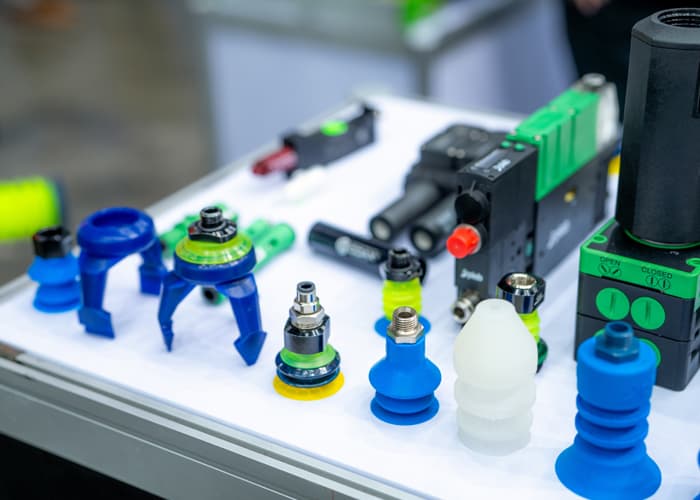
Overmolding & Insert Molding
We combine multiple materials in a single part—such as a rigid substrate with a soft, tactile grip—or mold plastic directly around metal inserts (like screws or blades) to create strong, multi-material components in one efficient process.
Design for Manufacturing (DFM) & R&D
Our technocrat-led team provides critical DFM analysis early in your design phase. We optimize part geometry for manufacturability, suggesting adjustments that reduce cost, improve strength, and prevent defects, ensuring a smooth transition to production.
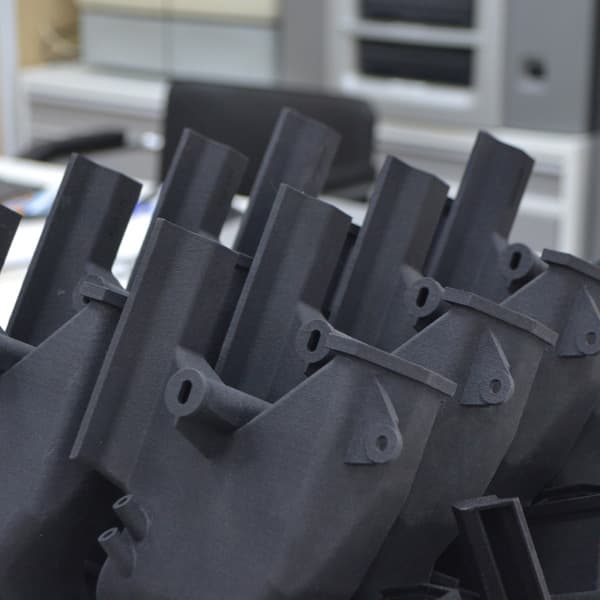
Full Product Assembly & Automation
We offer complete turnkey solutions. From molding the individual components to automated or manual assembly, packaging, and kitting, we deliver ready-to-use finished goods, simplifying your supply chain.
These specialized services highlight our role not just as a molder, but as a comprehensive solutions provider in the realm of plastic product manufacturing. We invite you to explore our full range of services to see how we can address your specific project needs.
Frequently Asked Questions About Plastic Injection Molding
The Future is Smart: AI and Innovation in Molding
The next frontier for plastic injection molding is intelligent, connected, and self-optimizing. At Sark Group, we are proactively integrating Industry 4.0 principles to stay at the cutting edge of plastic mold manufacturing and production.
- AI-Powered Process Optimization: Machine learning algorithms can analyze real-time data from sensors (temperature, pressure, cycle time) to make micro-adjustments during production. This maintains impeccable quality, reduces scrap from variations, and optimizes energy use.
- Predictive Maintenance: Instead of reactive repairs, AI monitors equipment health to predict potential failures before they happen. This maximizes machine uptime, ensures consistent output, and protects your production schedule.
- Automated Quality Assurance: Advanced computer vision systems can perform 100% inline inspection of parts, identifying surface defects or dimensional inaccuracies with superhuman speed and accuracy, guaranteeing flawless quality.
- Sustainability-Driven Engineering: The future is green. We focus on innovations like using bio-based polymers, optimizing designs for minimal material use, and enhancing our recycling of scrap, contributing to a more circular economy for plastics.
These advancements in plastic injection molding technology ensure that Sark Group remains at the forefront of efficient, sustainable, and intelligent manufacturing solutions for all your plastic product manufacturing needs.
Partner with Precision. Choose Sark Group.
Whether you are refining a prototype or scaling up for global distribution, the success of your plastic component depends on the expertise of your manufacturing partner. Plastic injection molding is a complex symphony of science, engineering, and technology, and it requires a conductor with deep experience and modern capabilities.
Sark Group combines decades of mastery in plastic mold manufacturing and high-volume production with a forward-looking embrace of smart technology. We don't just supply parts; we deliver confidence, quality, and a strategic advantage in plastic product manufacturing.
Ready to bring your vision to life with precision and reliability? Contact Sark Group today to discuss your project and discover how our end-to-end solutions can drive your success.
Visit Our Facilities Page Contact Us for a Consultation