The Complete Guide to Plastic Injection Molding and Manufacturing
In today's industrial landscape, plastic injection molding stands as the cornerstone of mass production, creating everything from microscopic medical components to sizable automotive body panels. With over 70% of industrial buyers beginning their supplier research online, understanding this process and its ecosystem is crucial for selecting the right manufacturing partner. This comprehensive guide explores the entire value chain—from the fundamental physics of molding to advanced manufacturing partnerships—equipping you with the knowledge to make informed decisions for your next project.
Understanding Plastic Injection Molding: The Engine of Modern Manufacturing
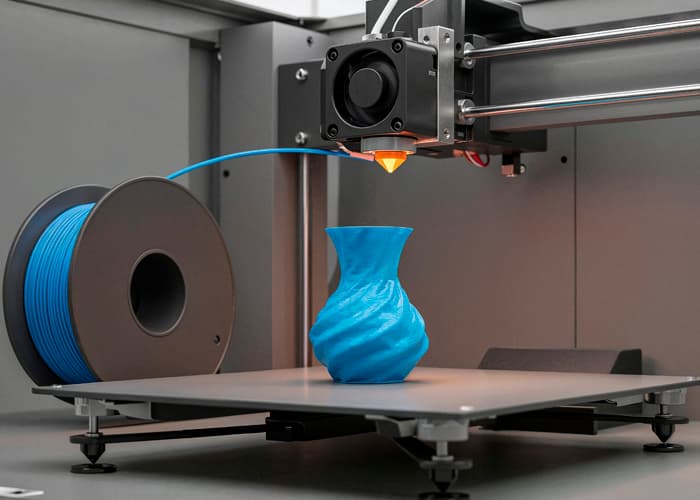
Plastic injection molding is a sophisticated manufacturing process that transforms raw plastic resin into precise, repeatable components through a cycle of melting, injecting, cooling, and ejecting. The process begins with thermoplastic or thermoset polymer granules being fed from a hopper into a heated barrel, where a reciprocating screw gradually melts the material through friction and barrel heaters. This molten plastic is then injected under high pressure—typically between 500 to 20,000 psi—into a precisely machined mold cavity, where it conforms to every contour before solidifying.
The Four-Phase Injection Molding Cycle
The standard injection molding cycle comprises four distinct phases: clamping, injection, cooling, and ejection. During clamping, the two halves of the mold are securely closed by the molding machine's hydraulic or electric system. The injection phase sees the molten plastic propelled into the mold cavity, with precise control over injection speed and pressure to ensure complete filling without defects. Cooling then solidifies the plastic, with cycle time largely determined by the part's thickest cross-section. Finally, the mold opens, and ejector pins remove the finished component, making way for the next cycle.
Material Considerations and Applications
The versatility of injection molding stems from its compatibility with thousands of material formulations. Common thermoplastics include polypropylene (PP) for flexible living hinges, ABS for durable consumer goods, and polycarbonate for impact-resistant transparent parts. Engineering resins like PEEK and ULTEM withstand extreme temperatures for aerospace and medical applications. Material selection balances mechanical properties, chemical resistance, thermal stability, regulatory compliance, and cost—a decision where experienced manufacturers like SARK GROUP provide invaluable guidance.
Achieving Precision and Consistency
The hallmark of quality injection molding is dimensional accuracy and consistency across production runs. Modern machines achieve tolerances as tight as ±0.001 inches (±0.025mm) through closed-loop control systems that monitor and adjust pressure, temperature, and speed in real-time. Process parameters are meticulously documented in a set-up sheet to ensure repeatability, with statistical process control (SPC) tracking critical dimensions throughout production. This precision makes injection molding indispensable for components where interchangeability is paramount, such as medical devices and automotive assemblies.
When evaluating injection molding for your project, consider part complexity, required volume, material specifications, and budget. The process excels at producing complex geometries with integrated features like bosses, ribs, and snap-fits that would require multiple components and assembly steps using alternative methods. While tooling costs are significant, the per-part economics become increasingly favorable at higher volumes, typically making injection molding the most cost-effective choice for production runs exceeding 1,000-5,000 units, depending on part complexity.
The Art and Science of Plastic Mold Manufacturing
At the heart of every successful injection molding project lies a precision-engineered mold. Plastic mold manufacturing transforms design concepts into hardened steel or aluminum tools capable of producing millions of identical parts. This process begins with comprehensive mold flow analysis, using advanced simulation software to predict how molten plastic will fill the cavity, identifying potential issues like air traps, weld lines, or sink marks before any metal is cut.
Mold Design Fundamentals
Effective mold design balances part requirements with manufacturability and longevity. The runner system—the channels that deliver plastic from the machine nozzle to the cavity—requires careful optimization to minimize material use and cycle time. Cold runners solidify with each shot and are ejected with the part, while hot runners maintain material in a molten state, reducing waste but increasing complexity and cost. Gate design, vent placement, cooling channel configuration, and ejection mechanisms must all be engineered in harmony to produce quality parts efficiently.
Tooling Materials and Construction
Mold bases are typically constructed from pre-hardened steel (P20), hardened tool steels (H13, S7), or aluminum for prototype and low-volume applications. Steel molds offer superior longevity—capable of 1,000,000+ cycles for hardened varieties—while aluminum molds provide faster machining and cooling at lower cost for runs under 10,000 parts. Critical mold components include the cavity and core that form the part geometry, ejector pins for part removal, guide pins for alignment, and specialized features like lifters and slides for parts with undercuts.
Advanced Manufacturing Techniques
Modern mold manufacturing employs a suite of advanced technologies. High-speed CNC machining creates the basic mold geometry with tolerances within ±0.0005 inches. Electrical Discharge Machining (EDM) uses controlled electrical sparks to erode intricate details and textures into hardened steel. For conformal cooling channels that follow the part contour, additive manufacturing (3D printing) creates complex internal geometries that dramatically reduce cycle times. Polishing and surface finishing—from stone finishing to mirror polishing—ensure the desired part surface texture, with options ranging from matte finishes to high-gloss Class A automotive surfaces.
The convergence of these technologies enables molds of unprecedented complexity and precision. At SARK GROUP, our in-house tooling capabilities encompass the entire mold manufacturing process—from initial design through sampling and production—ensuring seamless integration between tool design and manufacturing outcomes. This vertical integration allows for rapid iterations and optimizations that reduce time-to-market while ensuring tooling reliability throughout the production lifecycle.
Selecting a Strategic Plastic Mold Manufacturer
Choosing a plastic mold manufacturer extends far beyond comparing price quotes; it represents a strategic partnership that will influence your product's quality, cost structure, and market success. The ideal manufacturer functions as an extension of your engineering team, contributing expertise in design for manufacturability (DFM) that optimizes parts for production while maintaining design intent.
Comprehensive Engineering Capabilities
Top-tier manufacturers offer extensive upfront engineering support, including thorough feasibility analysis to identify potential manufacturing challenges before tooling begins. They should perform value analysis and value engineering (VA-VE) to suggest design modifications that reduce cost or improve functionality without compromising performance. For complex applications, expertise in metal-to-plastic conversion can consolidate multiple metal components into single molded parts, reducing assembly steps and overall product weight.
Quality Systems and Certifications
Robust quality management systems separate exceptional manufacturers from adequate ones. Look for certifications like ISO 9001:2015 for quality management and IATF 16949 for automotive suppliers. Advanced measurement capabilities should include Coordinate Measuring Machines (CMM) for validating mold and part dimensions against CAD models, optical comparators for profile measurement, and surface roughness testers. The manufacturer should document processes thoroughly, with First Article Inspection (FAI) reports, capability studies (Cp/Cpk), and comprehensive control plans for ongoing production.
Technical Specialization and Industry Experience
Different industries present unique manufacturing challenges. Medical components demand biocompatible materials and cleanroom molding environments. Automotive parts require materials that withstand temperature extremes and UV exposure. Electronics housings need static-dissipative or EMI-shielding compounds. An experienced manufacturer like SARK GROUP, with cross-industry expertise, can apply best practices from one sector to solve challenges in another, accelerating development while mitigating risks.
Program Management and Communication
Effective program management ensures projects stay on schedule and within budget. The manufacturer should assign a dedicated project manager as your single point of contact, providing regular updates on milestones, challenges, and solutions. Transparent communication about design changes, timeline adjustments, and cost implications builds trust and enables collaborative problem-solving. Digital collaboration tools that allow real-time design review and approval streamline the development process, particularly for distributed teams.
When evaluating potential partners, consider their complete ecosystem—not just mold-making capabilities but also their understanding of materials, processing parameters, secondary operations, and supply chain logistics. A manufacturer invested in continuous improvement through Lean manufacturing principles and employee training will typically deliver better long-term value than one competing solely on initial price. The right partnership balances technical capability with cultural alignment, creating a foundation for successful collaboration across multiple product generations.
Beyond the Mold: The Complete Plastic Product Manufacturing Ecosystem
While injection molding produces the base component, plastic product manufacturing encompasses the complete value chain from design through to finished, packaged product. This holistic approach transforms molded components into functional products ready for end-use, often integrating multiple manufacturing processes and materials.

Complementary Manufacturing Processes
Injection molding rarely operates in isolation. 3D printing (additive manufacturing) creates functional prototypes for design validation before tooling begins, with materials that closely mimic production-grade thermoplastics. For low-volume production of complex geometries impossible to mold, CNC machining from plastic stock provides a viable alternative. Vacuum forming produces large, relatively simple parts like enclosures and trays at lower tooling costs. The strategic manufacturer identifies the optimal process mix for each project phase, balancing speed, cost, and functionality.
Secondary Operations and Value-Added Services
Post-molding operations add critical functionality and finish to plastic components. Ultrasonic welding creates hermetic seals for medical and electronic enclosures without adhesives. Laser etching and pad printing apply permanent markings, logos, and regulatory symbols. Hot stamping adds metallic finishes and textures for aesthetic enhancement. For structural reinforcement or threaded connections, insert molding encapsulates metal components during the injection process, while post-molded inserts are pressed or ultrasonically installed after molding.
Assembly and Integration
Complete product assembly transforms individual components into functional units. This may involve adhesive bonding, mechanical fastening with screws or clips, press-fit assembly, or living hinge integration. Advanced manufacturers employ automated assembly systems with vision inspection to ensure consistent quality at production volumes. For electronic products, this extends to PCB installation, wire harnessing, and functional testing. The integration of these operations within the same facility as molding operations—as practiced at SARK GROUP—reduces logistics complexity, minimizes handling damage, and accelerates time-to-market.
Supply Chain Integration and Logistics
Effective plastic product manufacturing extends beyond the factory floor to encompass complete supply chain management. This includes material sourcing with certified traceability for regulated industries, inventory management of components from secondary suppliers, in-process quality control, final packaging tailored to distribution requirements, and logistics coordination. Manufacturers offering turnkey solutions manage these complexities transparently, providing customers with single-point accountability from raw material to delivered product.
The trend toward integrated manufacturing solutions reflects the growing complexity of plastic products and the need for streamlined supply chains. By consolidating multiple manufacturing steps with a single partner, companies reduce administrative overhead, minimize quality issues at handoff points between suppliers, and gain greater visibility into production status. This comprehensive approach ultimately delivers better products to market faster, with fewer complications throughout the product lifecycle.
Partnering with the Right Plastic Injection Molding Company
Your choice of a plastic injection molding company represents one of the most significant decisions in your product development journey. The right partner becomes a strategic asset, contributing not just manufacturing capacity but also technical expertise, innovation, and risk mitigation throughout the product lifecycle.
Technical Breadth and Specialized Capabilities
Evaluate potential partners based on their technical range and specialized competencies. Do they have experience with your specific material requirements, whether commodity resins or engineering-grade polymers? Can they handle complex processes like overmolding (applying a soft-touch layer over a rigid substrate), two-shot molding (combining materials in a single cycle), or micro-molding for extremely small, high-precision components? The equipment portfolio should align with your needs—higher tonnage machines (500+ tons) for large parts like automotive components, and precision electric or hybrid machines for tight-tolerance applications.
Quality Culture and Continuous Improvement
Beyond certifications, assess the company's embedded quality culture. Look for evidence of error-proofing (Poka-Yoke) mechanisms that prevent defects rather than just detecting them. Preventive maintenance programs ensure equipment reliability and process consistency. Forward-thinking companies invest in Industry 4.0 technologies—IoT sensors for real-time process monitoring, data analytics for predictive quality control, and digital twins for virtual process optimization. These investments demonstrate commitment to excellence that transcends basic compliance.
Innovation and Problem-Solving Approach
The best manufacturing partners bring innovative solutions to design and production challenges. They should demonstrate curiosity about your product's function and end-use environment, asking questions that reveal optimization opportunities. During the quoting process, they should provide specific, actionable suggestions rather than simply pricing the provided design. Their engineering team should stay current with material innovations, process technologies, and industry trends, applying this knowledge to enhance your product's manufacturability, performance, and cost-effectiveness.
Commercial Alignment and Partnership Mindset
A true partnership extends beyond transactional relationships. The ideal company demonstrates flexibility in accommodating design changes, volume fluctuations, and accelerated timelines. Their communication should be transparent regarding challenges and collaborative in developing solutions. Commercial terms should balance fair pricing with sustainable margins that allow the partner to invest in capabilities that benefit your long-term success. At SARK GROUP, we view each customer relationship as a strategic partnership, aligning our success with the success of your products in the marketplace.
When conducting final evaluations, request customer references with projects similar in complexity to yours. Visit facilities to observe operations firsthand, noting organization, cleanliness, and employee engagement. Assess their response to hypothetical challenges relevant to your project. The right partner will demonstrate not just capability but also enthusiasm for your project's success, viewing challenges as opportunities to add value rather than obstacles to avoid. This mindset, combined with technical excellence, forms the foundation of a manufacturing partnership that delivers superior products while reducing business risk.
Frequently Asked Questions About Plastic Injection Molding
Ready to Start Your Plastic Injection Molding Project?
With decades of experience across industries and a complete range of services from design through production, SARK GROUP is your ideal manufacturing partner. Our vertical integration ensures quality control at every step, while our engineering expertise helps optimize your designs for manufacturability and performance.
Contact our engineering team today for a confidential design review and project assessment. We'll provide specific recommendations to enhance your product while providing transparent costing and timeline estimates.
Request a Free Project Consultation