What is plastic injection molding and how does it work in 2026?
What is plastic injection molding
Plastic injection molding stands as one of the most versatile and widely used manufacturing processes for producing identical plastic parts with excellent tolerances at massive volumes . This transformative technology has revolutionized how consumer and industrial products are made, from automotive components to medical devices and everyday household items. At its core, injection molding involves melting thermoplastic polymer granules and injecting them under pressure into a mold where the liquid plastic cools and solidifies into the final part shape . The significance of this process in today’s manufacturing landscape cannot be overstated—in fact, injection molding alone accounts for more than 40% of all plastic parts produced globally each year .
The injection molding machine consists of three main systems: the injection unit, the mold, and the clamping/ejector unit . The process begins when plastic resin pellets are fed into the machine’s hopper, then moved into a heated barrel where a reciprocating screw simultaneously melts, mixes, and pushes the material forward . Once sufficient molten plastic has accumulated, the screw rams forward under pressure, injecting the material through a nozzle into the mold cavity . The mold remains tightly closed under immense clamping force during this injection phase. After injection, the plastic cools and solidifies, the mold opens, and ejector pins push the finished part out before the cycle repeats every 30-90 seconds depending on part size and complexity .
Key components that make this process possible include:
- Hopper: The funnel-shaped component that feeds raw plastic material into the barrel
- Barrel and Heater Bands: Houses the reciprocating screw and provides thermal energy to melt the plastic pellets
- Reciprocating Screw: The corkscrew-shaped rod that mixes, compresses, and forces the pellets through the barrel as they melt
- Mold: The custom-fabricated metal block containing the hollow cavity that gives the plastic its final shape
- Nozzle: The heated outlet at the barrel’s end that directs molten plastic into the mold
The runner system—comprising sprue, runners, and gates—guides the melted plastic into the mold cavity . Gates serve as the entry points to the cavity and come in different types suited for various applications, including edge gates, tunnel gates, and hot tips . Meanwhile, molds themselves feature cooling channels, vents for air escape, and ejector pins for part removal .
For companies like SARK GROUP leveraging this technology, injection molding offers substantial advantages including dramatically low per-unit costs at high volumes, high repeatability, excellent design flexibility, and minimal material waste compared to other manufacturing processes . The initial investment focuses primarily on tooling, but once production begins, the cost per part becomes exceptionally economical, making it ideal for mass production runs typically ranging from 1,000 to 100,000+ units.
Comprehensive Guide to Plastic Product Manufacturing: Processes, Materials, and Applications
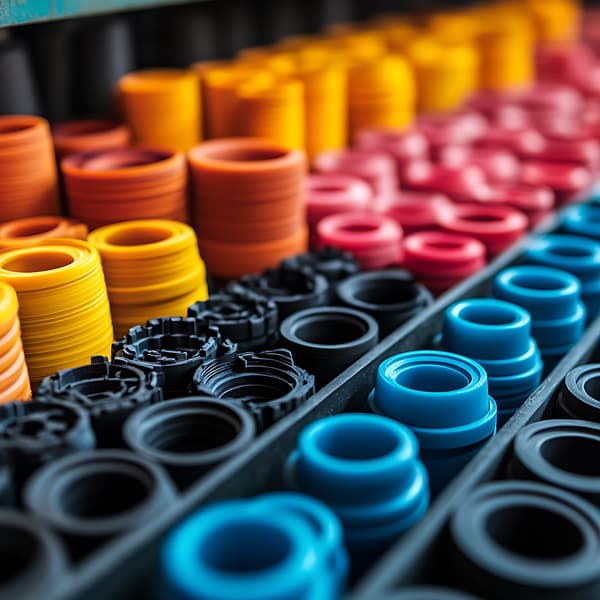
Plastic product manufacturing encompasses multiple technologies for transforming raw polymer materials into finished goods, with each method offering unique advantages for specific applications . While plastic injection molding represents the most common approach, several other specialized processes address different product requirements across diverse industries. Understanding this broader manufacturing landscape enables companies like SARK GROUP to select the optimal method for each client’s specific needs, balancing factors like production volume, part complexity, hollow versus solid construction, and budget constraints.
Blow molding follows the same basic principles as glass blowing, where a heated plastic mass (parison) is inflated with air until it conforms to the mold’s interior shape . This process excels at creating one-piece, hollow objects in large volumes, producing uniform thin-walled containers ranging from small bottles to large storage drums and automotive fuel tanks . Commonly used materials include low-density polyethylene, high-density polyethylene, polyethylene terephthalate, and polyvinyl chloride, selected for their strength and barrier properties in packaging applications.
Compression molding involves placing a heated plastic material inside a heated mold, then closing it to compress the plastic into the desired shape . The heating process, called curing, ensures the final product maintains its integrity and shape . This method often uses advanced composites like thermosetting resins, fiberglass, and reinforced plastics, resulting in exceptionally strong, durable parts . Compression molding accommodates considerable variation in part thickness, length, and intricacy, making it popular for automotive components, household appliances, and even body armor.
Extrusion molding differs from other processes in that it extrudes melted plastic material directly through a die whose shape determines the final product’s cross-section . Similar to an injection molding machine, the extrusion machine uses a screw to feed plastic resin into the feeder, but the molten plastic emerges continuously through the die as a long, formed plastic tube . This method specializes in producing lengthy components with uniform profiles, including pipes, tubes, straws, and structural elements with T-sections, U-sections, L-sections, and other geometric profiles.
Rotational molding (rotomolding) uses high temperatures and rotational movement on two perpendicular axes to coat a mold’s interior with polymer powder . As the mold rotates, the powder adheres evenly to the entire interior surface, creating consistent wall thickness throughout the part . Though slower than other processes, rotomolding wastes little material, offers excellent design flexibility, and produces strong, large, hollow one-piece containers like tanks, buoys, and playground equipment.
How to Select the India’s Top 10 Injection Molding Companies: Key Evaluation Criteria
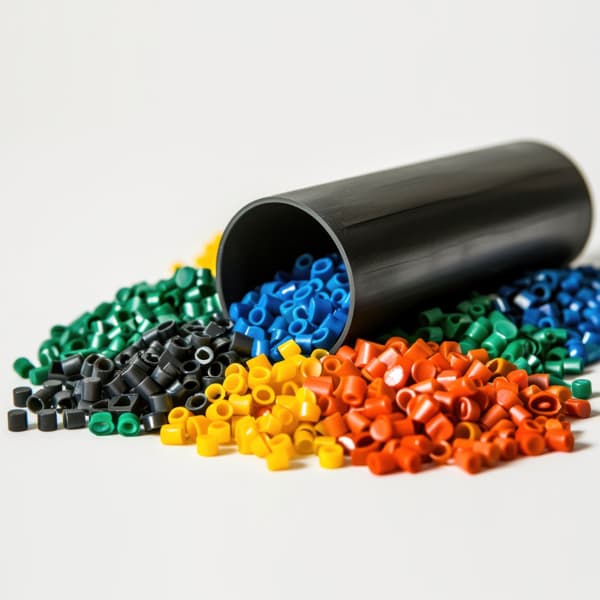
Choosing among potential injection molding companies represents one of the most critical decisions in bringing a plastic product to market, directly impacting your production costs, timelines, part quality, and ultimately, product success . The ideal manufacturing partner should function not merely as a supplier but as a collaborative extension of your team, providing technical expertise from design through production. SARK GROUP understands that this selection process requires careful evaluation across multiple dimensions, from technical capabilities and quality systems to communication practices and business philosophy.
When evaluating potential partners, several key criteria demand particular attention:
- Technical Capabilities and Equipment: Assess the company’s press sizes (typically measured in tonnage), production capacity, and ability to handle your part’s specific requirements . Look for experience with complex features like inserts, overmolds, multi-cavity tools, and hot-runner systems if your project requires them . Modern equipment with process monitoring capabilities often indicates better consistency and quality control.
- Design for Manufacturing (DFM) Expertise: The best injection molding companies provide comprehensive DFM feedback, identifying potential issues with draft angles, wall thickness, rib design, and other geometric concerns before tooling begins . This collaborative engineering approach prevents costly revisions and optimizes your part for manufacturability, quality, and cost-effectiveness.
- Tooling Capabilities and Materials: Evaluate whether the company handles tooling in-house or through partners, their experience with aluminum versus steel molds, and their mold maintenance programs . Aluminum molds typically offer lower upfront costs and faster delivery for prototypes and lower volumes, while steel molds provide longer lifespan for high-volume production .
- Material Knowledge and Selection Guidance: Look for partners with expertise across a wide range of thermoplastics who can recommend the optimal material based on your application’s mechanical requirements, environmental conditions, regulatory compliance, and budget constraints . The ability to source materials efficiently and understand how different resins behave during processing is invaluable.
- Quality Systems and Inspection Protocols: Reputable injection molding companies maintain robust quality management systems, often with ISO certifications relevant to your industry . Inquire about their inspection equipment, process control methodologies, documentation practices, and experience with any industry-specific standards your parts must meet.
Industry specialization can significantly impact partner selection. Companies serving regulated industries like medical devices or automotive often maintain additional certifications and cleanroom capabilities . For instance, medical device manufacturing typically requires ISO 13485 certification and rigorous validation protocols, while automotive components may demand specific material certifications and traceability systems. SARK GROUP recognizes that manufacturers with deep experience in your particular sector typically understand its unique requirements, potential pitfalls, and efficiency opportunities better than generalists.
Communication and project management practices often separate exceptional injection molding companies from adequate ones. Look for partners who assign a dedicated project contact, provide regular progress updates, flag potential risks early, and demonstrate genuine curiosity about your application and constraints . Transparent communication becomes particularly crucial when navigating the inevitable challenges that arise during product development and production ramp-up.
The economic considerations extend beyond simple per-part pricing. While component cost matters, also evaluate tooling investment, payment terms, minimum order quantities, and the supplier’s flexibility in scaling production volumes up or down as your market demands evolve . The lowest per-part price may not represent the best total value if it comes with excessive tooling costs, rigid order requirements, or quality inconsistencies.
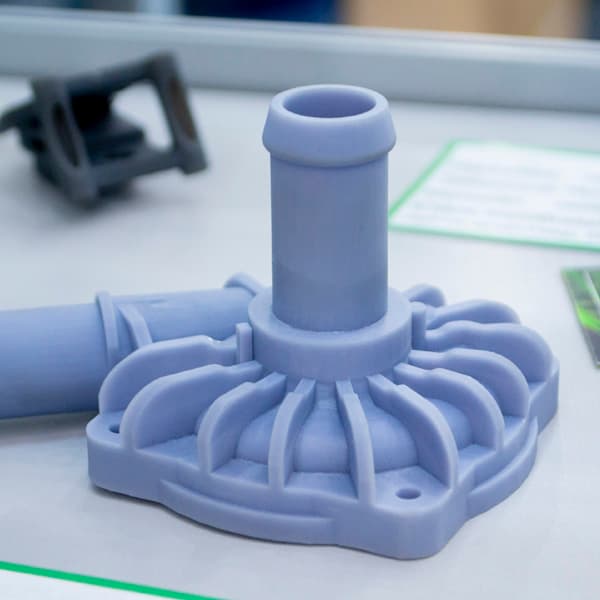
As a forward-thinking plastic molding company, SARK GROUP has established itself as a premier provider of comprehensive plastic manufacturing solutions, built on a foundation of technical expertise, quality craftsmanship, and customer-focused collaboration. Our approach integrates seamlessly with clients’ product development cycles, serving as an extension of their engineering teams to transform concepts into high-quality, manufacturable products efficiently and cost-effectively. Unlike suppliers who simply execute orders, we function as strategic partners, contributing insights drawn from extensive experience across multiple industries and manufacturing processes.
SARK GROUP’s core capabilities encompass the full spectrum of plastic manufacturing technologies:
- Injection Molding Services: We operate modern injection molding equipment capable of producing everything from miniature components to larger parts, accommodating both prototype and high-volume production requirements. Our scientific molding approach ensures process control and repeatability, while our expertise with engineering-grade materials guarantees parts meet their performance specifications .
- Compression Molding Expertise: For applications requiring exceptional strength and durability, particularly with thermoset materials, we provide compression molding services using materials like sheet molding compound, dough molding compound, and Bakelite . This capability proves especially valuable for electrical, automotive, and industrial components demanding high thermal resistance and structural integrity.
- Mold Manufacturing and Design: Our comprehensive in-house mold manufacturing capabilities allow us to design and build efficient, longevity-focused molds for both injection and compression molding processes . We consider factors like production volume, material selection, and part geometry to deliver molds optimized for performance, maintenance, and total cost of ownership.
- Additive Manufacturing and Prototyping: Recognizing the importance of rapid iteration, we offer 3D printing services using FDM, SLS, and SLA technologies to accelerate design validation and prototyping . This capability enables our clients to test form, fit, and function before committing to production tooling, reducing time to market and development risks.
What truly differentiates SARK GROUP in the competitive landscape of plastic molding manufacturers is our commitment to customer-driven collaboration. We recognize that each project presents unique challenges and opportunities, requiring tailored solutions rather than one-size-fits-all approaches. Our engineering team engages early in the design process, conducting thorough manufacturability analyses to identify potential issues with wall thickness, draft angles, rib design, and other geometric factors that impact moldability, quality, and cost . This proactive engineering support helps clients avoid costly revisions and optimize their designs for manufacturing while maintaining design intent.
Our technical expertise spans both thermoset and thermoplastic materials, giving us unusual versatility in recommending the optimal material and process for each application . We maintain knowledge of hundreds of material formulations—from commodity resins like polypropylene and ABS to engineering-grade materials like PEEK and liquid silicone rubber—enabling us to match material properties to application requirements for mechanical performance, environmental resistance, regulatory compliance, and cost targets .
Quality assurance forms the backbone of our operational philosophy. We implement rigorous inspection protocols throughout the manufacturing process, employing statistical process control methods to ensure consistency and catch deviations before they impact product quality . Our documentation practices provide full traceability for regulated industries, while our measurement equipment validates dimensional accuracy against specifications.
For clients seeking to accelerate their time to market, SARK GROUP offers comprehensive program management that coordinates all aspects of product development—from initial design through tooling, production, and secondary operations . This integrated approach eliminates the inefficiencies of managing multiple suppliers and provides clients with a single point of accountability throughout the manufacturing process. Our project management team maintains transparent communication, providing regular updates and flagging potential challenges early to keep projects on schedule and within budget.
Navigating Partnerships with Top Plastic Molding Manufacturers in India : From Prototyping to Production
Establishing effective partnerships with plastic molding manufacturers requires understanding the full product development lifecycle—from initial concept through mass production—and how manufacturers contribute at each stage. The most successful collaborations function as true partnerships where both parties contribute their expertise toward the shared goal of bringing high-quality products to market efficiently. For SARK GROUP, this means adapting our engagement model to match each client’s specific needs, whether they require comprehensive turnkey services or specific manufacturing capabilities to complement their existing resources.
The product development journey typically progresses through several distinct phases, each with different requirements from manufacturing partners:
- Design and Prototyping: Before committing to production tooling, manufacturers help validate designs through various prototyping methods. While 3D printing provides rapid form-and-fit verification, injection-molded prototypes using production-grade materials offer the most accurate representation of final part properties . During this phase, manufacturers like SARK GROUP provide crucial Design for Manufacturability (DFM) feedback, identifying potential issues with wall thickness, draft angles, rib design, and other geometric factors that impact moldability, quality, and cost.
- Tooling and Process Development: Once designs are finalized, the focus shifts to mold fabrication and process optimization. Reputable manufacturers maintain transparent communication during this phase, providing regular progress updates and conducting mold trials to validate performance before full-scale production . Scientific molding techniques help establish robust process parameters that ensure consistency and repeatability throughout the production run.
- Production Ramp-Up: As volumes increase, manufacturers implement statistical process controls, in-process inspections, and comprehensive quality management systems to maintain consistency . The ability to scale production efficiently—from thousands to millions of parts—requires both manufacturing expertise and supply chain management to ensure material availability and on-time delivery.
Advanced manufacturing techniques enable more complex and integrated component production:
- Overmolding and Insert Molding: These processes combine multiple materials or incorporate metal inserts during a single molding operation, eliminating secondary assembly steps and creating stronger integration between components . Applications range from soft-grip surfaces on tools to metal threaded inserts in electronic enclosures.
- Two-Shot Molding: This specialized process injects two different materials or colors into the same mold during a single cycle, creating multi-material parts without secondary operations . This technique proves valuable for consumer products with soft-touch surfaces, medical devices with sealed interfaces, and automotive components combining rigid and flexible elements.
Quality systems and certifications provide important indicators of a manufacturer’s capabilities and reliability. ISO 9001 certification demonstrates a basic quality management system, while industry-specific standards like ISO 13485 (medical devices) and IATF 16949 (automotive) signal specialized expertise in regulated sectors . Beyond certifications, robust manufacturers implement comprehensive inspection protocols—from initial material verification through final part measurement—documenting results to ensure traceability and consistency .
The economic considerations of partnering with plastic molding manufacturers extend beyond simple per-part pricing. While component cost matters, manufacturers should help clients understand total cost of ownership, including tooling investment, minimum order quantities, payment terms, and the flexibility to scale production volumes as market demands evolve . The most valuable manufacturing partners identify opportunities to optimize part design, material selection, and production processes to reduce total costs without compromising quality or performance.
For SARK GROUP, successful manufacturer partnerships are built on transparent communication and project management. We assign dedicated project contacts who serve as single points of accountability, providing regular updates and flagging potential challenges early . This approach transforms traditional vendor relationships into collaborative partnerships where both parties work toward shared success, adapting to changing requirements and problem-solving together when challenges inevitably arise.
Conclusion: Partnering for Manufacturing Success
The world of plastic injection molding and plastic product manufacturing offers unprecedented opportunities for creating high-quality, cost-effective components across countless industries. From understanding the fundamental processes to selecting the right manufacturing partners and implementing robust quality systems, each decision impacts the success of your product. As you navigate this complex landscape, remember that the most successful outcomes typically emerge from collaborative partnerships where manufacturing expertise informs design, and shared goals drive continuous improvement.
SARK GROUP stands ready to serve as your comprehensive manufacturing solution, bringing technical expertise, quality craftsmanship, and customer-focused collaboration to every project. Our integrated approach—spanning design assistance, mold manufacturing, production, and secondary operations—ensures a seamless experience from concept to delivered product. Contact us today to discuss how our capabilities in plastic mold manufacturing and injection molding can bring your next project to life with precision, efficiency, and exceptional value.