In the modern manufacturing landscape of India, from the automotive hubs of Pune and Chennai to the consumer electronics parks of Noida, one technology reigns supreme: Plastic Injection Molding. It is the backbone of mass production, responsible for creating everything from the intricate gears in your car's dashboard to the sturdy casing of your mixer grinder.
But is it the right choice for your next project?
Whether you are a startup founder in Bangalore or a procurement manager in Gujarat, understanding the technical and commercial pros and cons of this process is critical. In this comprehensive guide, we will dive deep into the mechanics, costs, and strategic value of Plastic Injection Molding, and how industry leaders like SARK GROUP are helping Indian businesses leverage this technology for global success.
The Manufacturing Powerhouse of India
India is rapidly evolving into a global manufacturing hub, fueled by the "Make in India" initiative. As domestic demand for high-quality plastic components rises—projected to reach a market value of nearly USD 584 million by 2035—manufacturers are increasingly turning to Plastic Injection Molding for its unmatched efficiency.
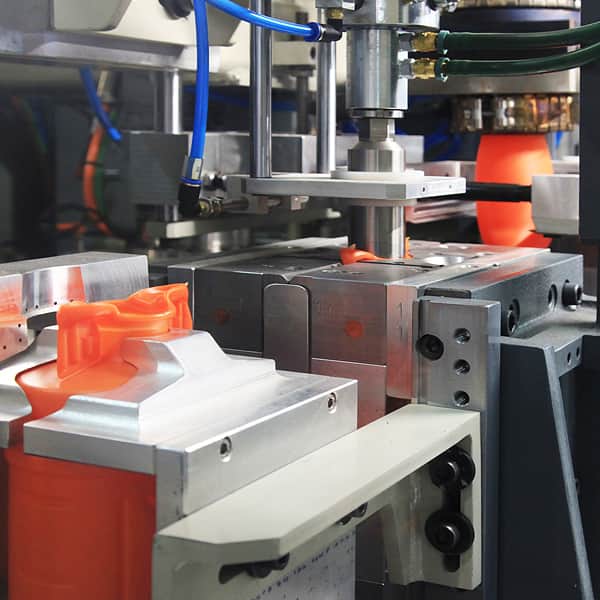
Plastic Injection Molding is a manufacturing process where molten plastic resin is injected under high pressure into a metal die (mold). Once the plastic cools and solidifies, the mold opens to eject the finished part. It sounds simple, but the engineering behind it is a marvel of precision, capable of producing millions of identical parts with tolerances as tight as a human hair.
However, like any industrial process, it has its strengths and weaknesses. Let's explore them in detail.
At a Glance: The Pros and Cons
If you need a quick answer, here is the high-level comparison:
| Feature | Advantage | Disadvantage |
|---|---|---|
| Production Speed | Extremely fast (seconds per part) | Setup takes time |
| Cost Per Unit | Very low for high volumes | High initial investment |
| Complexity | Can make intricate geometries | Design changes are costly |
| Material Choice | Thousands of resin options | Hard to switch materials mid-run |
| Consistency | High repeatability | High error cost if mold is flawed |
The Major Advantages of Plastic Injection Molding
1. Unmatched High-Volume Efficiency
The primary reason companies choose Plastic Injection Molding is speed. Once a mold is designed and the machine is set up, the production cycle is incredibly fast.
- Cycle Time: A typical cycle lasts between 15 to 60 seconds.
- Multi-Cavity Molds: A single mold can have multiple cavities (2, 4, 16, or even 64). This means a single 30-second cycle could produce 64 finished bottle caps at once.
- Scalability: For Indian FMCG companies needing millions of packaging units, this speed is non-negotiable.
2. Extremely Low Cost Per Unit
While the initial setup is expensive, the running cost is remarkably low.
- Economy of Scale: As you produce more, the price drops drastically. A part that costs ₹500 to CNC machine might cost only ₹5 to injection mold once the volume hits 10,000 units.
- Material Efficiency: Unlike subtractive manufacturing (cutting away material), Plastic Injection Molding is additive in nature. It uses exactly the amount of plastic needed to fill the mold.
3. Complex Geometry and High Precision
Modern consumer demands are sophisticated. We want ergonomic handles, snap-fit enclosures, and sleek automotive interiors.
- Intricate Details: High-pressure injection presses the plastic against the mold walls, capturing microscopic details and textures (like leather-grain finishes on car dashboards).
- Tight Tolerances: With advanced machines like those at SARK GROUP, parts can be molded to tolerances of +/- 0.005 inches, ensuring they fit perfectly in assembly lines.
4. Material Versatility (Resin Selection)
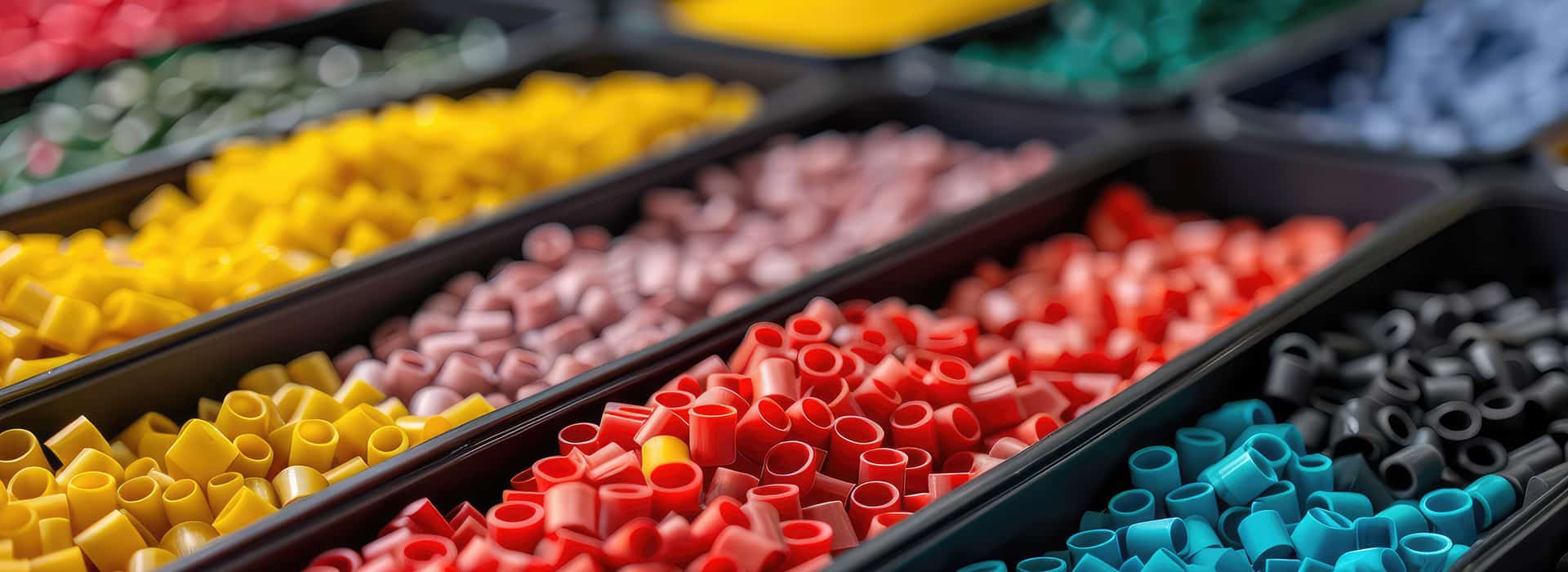
There are over 25,000 engineered materials available for Plastic Injection Molding. In the Indian market, the most common include:
- Polypropylene (PP): Tough and flexible (used in buckets, automotive bumpers).
- ABS (Acrylonitrile Butadiene Styrene): Strong and impact-resistant (used in electronic housings, helmets).
- Polycarbonate (PC): Transparent and shatterproof (used in headlight lenses).
- Nylon (Polyamide): High heat resistance (used in gears and under-hood car parts).
5. Enhanced Strength
During the Plastic Injection Molding process, diverse fillers can be added to the plastic resin to increase strength.
- Glass Fibers: Adding glass fiber to Nylon can make it as strong as some metals, perfect for metal-to-plastic conversion projects in the automotive sector.
- UV Stabilizers: Critical for outdoor products in India's harsh sun.
6. Automation and Low Labor Costs
Visit a modern facility like SARK GROUP, and you will see robots doing the heavy lifting. Automated arms pick parts from the mold, trim sprues, and stack products.
- Consistency: Automation removes human error, ensuring the 10,000th part is exactly identical to the first.
- 24/7 Operation: Machines can run overnight with minimal supervision, maximizing output.
7. Sustainability and Waste Reduction
With the Indian government's push for sustainable practices (Swachh Bharat), Plastic Injection Molding plays a vital role.
- Regrinding: Sprues, runners, and defective parts can be ground into pellets and re-molded.
- Bioplastics: New molds are compatible with biodegradable resins, helping companies meet green compliance standards.
The Disadvantages of Plastic Injection Molding
To give you a balanced view, we must look at the hurdles. Plastic Injection Molding is not a magic wand for every scenario.
1. High Upfront Capital Investment
This is the biggest barrier. The mold (tooling) is a precision-engineered asset made from hardened steel or aluminum.
- Cost Realities: A simple mold in India might cost ₹50,000, while a complex, multi-cavity automotive mold can easily cost ₹15 Lakhs to ₹50 Lakhs.
- Why so expensive? It requires expert design, CNC machining, EDM (Electrical Discharge Machining), and polishing.
2. Long Lead Times
You cannot wake up today and have parts tomorrow.
- Design & Prototyping: 1-2 weeks.
- Mold Fabrication: 4 to 12 weeks depending on complexity.
- Testing (T0, T1 trials): 1-2 weeks.
- Solution: Partnering with SARK GROUP reduces this pain point. Their in-house tool room allows for faster mold modifications and maintenance, cutting weeks off the standard timeline.
3. Design Limitations (DFM Constraints)
Once a mold is cut in steel, it is very difficult to change. You cannot simply "delete" a feature like you would in a CAD file.
- Undercuts: Features that trap the part in the mold make ejection difficult and require expensive "slides" or "lifters" in the mold design.
- Wall Thickness: Parts must have uniform wall thickness to prevent cooling defects.
- Draft Angles: Vertical walls need a slight taper (draft) so the part can slide out of the mold.
4. Not Viable for Small Batches
If you need 50 prototypes for a market test, Plastic Injection Molding is likely financial suicide. The amortized cost of the mold would make each part cost thousands of rupees.
- Alternative: For low volumes (<500 units), 3D Printing or Vacuum Casting is often better.
Comparison: Injection Molding vs. Other Processes
Understanding how Plastic Injection Molding stacks up against alternatives helps you make the right manufacturing choice:
| Feature | Plastic Injection Molding | 3D Printing | CNC Machining |
|---|---|---|---|
| Best For | Mass Production (>1,000 units) | Prototyping (<100 units) | Low Volume / High Precision |
| Setup Cost | Very High (Molds) | Low (Digital File) | Medium (Fixtures) |
| Per Part Cost | Very Low | High | High |
| Speed | Seconds per part | Hours per part | Minutes/Hours per part |
| Material | Real End-use Plastics | Simulants / Filaments | Real Plastics / Metals |
The SARK GROUP Advantage
When navigating these pros and cons, the partner you choose makes all the difference. SARK GROUP stands out as a leader in the Indian Plastic Injection Molding landscape.
Why Indian Businesses Trust SARK GROUP:
- End-to-End Capabilities: From the initial 3D design concept to the final packaged product, they handle it all under one roof. This "one-stop-shop" approach eliminates the coordination headaches of dealing with multiple vendors.
- State-of-the-Art Infrastructure: Their facility is equipped with a range of tonnage machines (50T to 550T). Whether you need tiny medical connectors or large automotive casings, they have the right machine for the job.
- In-House Tool Room: This is a game-changer. Most delays in Plastic Injection Molding happen when molds need repair or adjustment. SARK GROUP has its own tooling division, ensuring zero downtime and rapid iterations.
- Quality Assurance: With ISO-certified processes, every batch undergoes rigorous testing for dimensions, strength, and aesthetic finish.
Cost Drivers in the Indian Market (2025)
For our Indian audience, it is helpful to understand what drives the price in a local context:
- Steel Prices: The cost of P20 or H13 steel (used for molds) fluctuates based on global commodity markets.
- Machine Hourly Rate: In India, this can range from ₹300/hour for small machines to ₹2,000+/hour for large tonnage presses.
- Resin Costs: Commodity plastics like PP are cheap (approx. ₹90-110/kg), while engineering plastics like Polycarbonate can be ₹250-400/kg.
- Labor: While automation is high, skilled labor for setting up machines and quality control is a premium resource in manufacturing zones like Manesar or Oragadam.
Conclusion: Is It Worth It?
Plastic Injection Molding is an investment in scalability. If your business plan involves selling thousands of units, the high initial cost is a small price to pay for the incredible efficiency, quality, and low unit costs that follow. It is the technology that builds brands.
For Indian entrepreneurs and established enterprises alike, the key is not just buying a mold, but buying a process.
Ready to Scale Up Your Production?
Do not let the complexities of manufacturing slow you down. Contact SARK GROUP today. Let our experts guide you through the design, tooling, and production phases to deliver world-class plastic parts that define your product's success.
Get Your Free ConsultationFrequently Asked Questions (FAQ)
We've compiled answers to the most common questions about Plastic Injection Molding and SARK GROUP's services:
While technically you can mold just one part, it is not cost-effective. Most manufacturers in India, including SARK GROUP, recommend a minimum run of 1,000 to 5,000 units to justify the tooling investment. For high-complexity molds, the MOQ may be higher to ensure profitability.
The cost varies wildly based on complexity. A simple, single-cavity mold for a small part might start at ₹50,000. Complex, multi-cavity hardened steel molds for automotive parts can range from ₹5 Lakhs to ₹25 Lakhs. This is why choosing a partner with in-house tool room capabilities, like SARK GROUP, can save you money through value engineering.
Yes. SARK GROUP offers comprehensive design support. We don't just print your CAD file; we perform a DFM (Design for Manufacturing) analysis to optimize your design for the molding process, saving you money on tooling and reducing defect rates. This is a critical value-add that differentiates SARK GROUP from typical contract manufacturers.
For products exposed to the intense Indian sun, ASA (Acrylonitrile Styrene Acrylate) or UV-stabilized Polycarbonate are excellent choices. They resist yellowing and cracking better than standard ABS or PP. SARK GROUP can advise on the best material for your specific outdoor application.
A well-maintained mold made of high-grade steel can last for 1 million cycles or more. Aluminum molds, which are cheaper, might last for 10,000 to 50,000 cycles. SARK GROUP helps you choose the right mold material based on your expected production volume, ensuring optimal ROI.
Cold Runner: The molten plastic travels through channels that cool and solidify with the part. These "runners" must be trimmed and recycled (cheaper mold, slightly more waste).
Hot Runner: The channels are heated, keeping the plastic molten. There are no runners to trim (more expensive mold, but faster cycle time and zero waste). SARK GROUP recommends hot runner systems for high-volume production due to better economics over the mold's lifetime.
Sink marks are small dents on the surface caused when thick sections of plastic cool slower than thin sections. They can be fixed by designing parts with uniform wall thickness or by using "coring" techniques to remove excess material. SARK GROUP's DFM process identifies and prevents sink marks before tooling.
Yes, it can be. The process generates very little waste compared to machining. Additionally, SARK GROUP supports the use of recycled plastics and bio-based polymers to reduce environmental impact. Many companies are now using recycled HDPE and recycled ABS, which have equivalent properties to virgin material while reducing carbon footprint.
Transform Your Manufacturing Today
Whether you're looking to launch a new product or scale existing production, SARK GROUP has the expertise, equipment, and infrastructure to bring your vision to life with precision and efficiency.
Request a Quote Today