
SARK Group / Plastic mold manufacturing process
Plastic Mold Manufacturing: How an Injection Mould Is Designed, Machined and Proven
Plastic mold manufacturing is the process of designing and machining a steel tool that shapes molten plastic into a finished part. It runs in nine steps: DFM review, mould flow analysis, mould design, steel selection, rough machining, heat treatment, finish machining and EDM, polishing and assembly, then trial and approval. A production mould usually takes 4 to 8 weeks.
Updated 23 October 2026 · Explained by SARK Group’s in-house tool room, Chandigarh
The mould is where most moulding problems are born or prevented. A sink mark on a switch plate, flash on a connector, a housing that warps after a week: nine times out of ten the root cause sits in a tool-room decision made months earlier. We’ve run our own tool room at SARK Group since the Chandigarh plant opened in 1988, and this is how a mould goes from a CAD file to a tool that can run lakhs of shots.
How Is a Plastic Injection Mould Made? The 9 Steps
- Receive the part design and run DFM. We check wall thickness, draft angles, ribs, bosses and undercuts. Fixing a 3 mm wall that should be 2 mm now prevents sink marks and saves seconds on every cycle.
- Run mould flow analysis. Simulation predicts how plastic fills the cavity, where weld lines and air traps form, and where the part may warp. It decides gate position and size.
- Design the mould. The designer lays out the parting line, cavity count, runner (cold or hot), cooling channels, ejector pins and any slides or lifters, then produces a full 3D tool model and drawings.
- Select and order steel. Steel is chosen for volume, resin and finish: pre-hardened P20 for medium runs, H13 or stainless grades for long life, glass-filled resins or high polish.
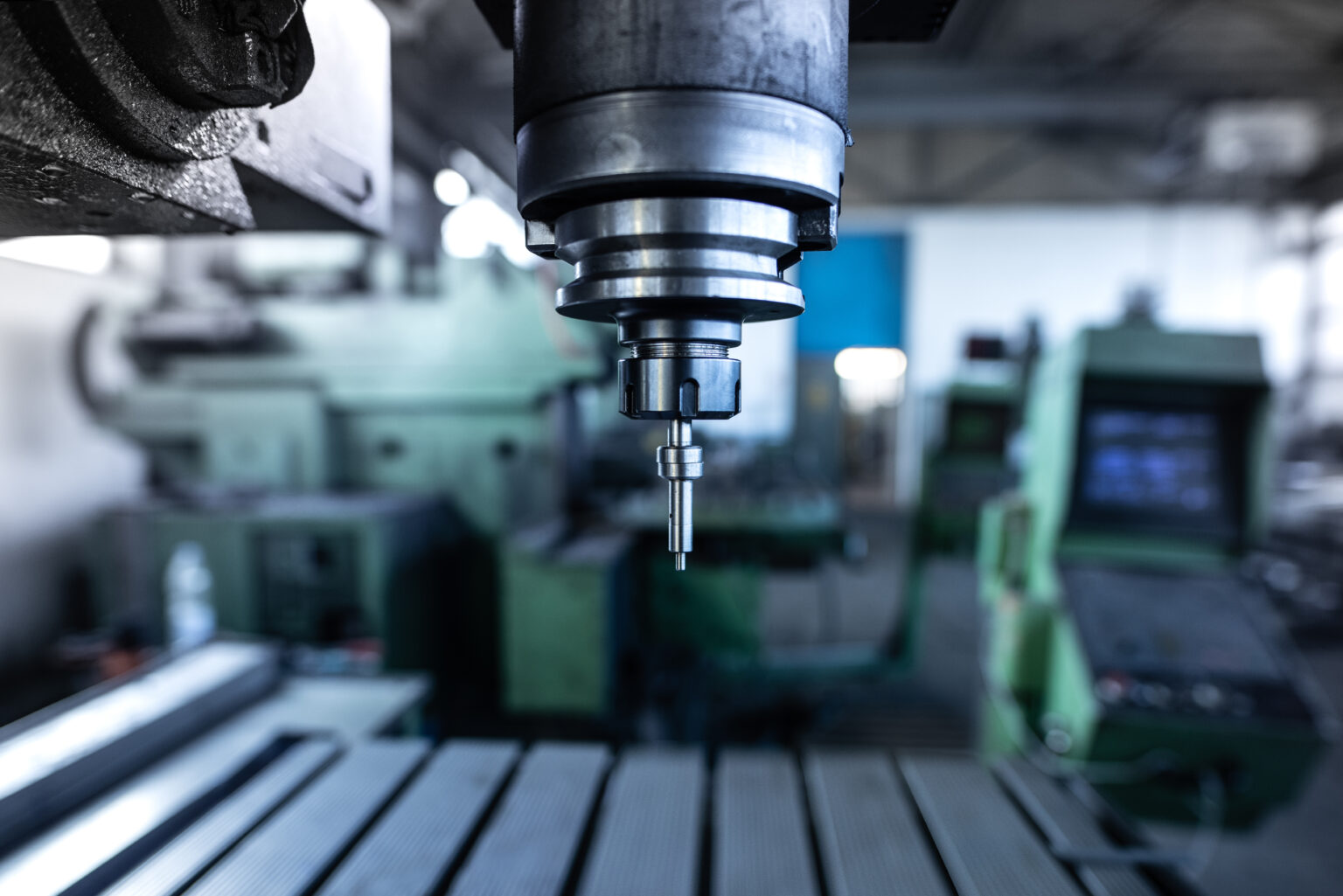
- Rough machining. CNC milling removes most of the steel from the core, cavity and mould plates, leaving a small allowance for finishing.
- Heat treatment. Where hardened steel is used, inserts are hardened and tempered to the target hardness before final machining.
- Finish machining and EDM. High-speed CNC milling and electrical discharge machining (spark and wire EDM) create sharp corners, ribs and fine details that cutters cannot reach.
- Polishing, texturing and assembly. Cavities are polished or textured to the required finish, then the mould is assembled with ejectors, cooling fittings, slides and the runner system.
- Trial (T0, T1) and approval. The tool runs on a moulding machine. First samples are measured, corrections are made in the tool room, and the mould is approved for production only after dimensional sign-off.
Steps 2 and 9 are the ones buyers most often try to skip to save time. Don’t. A day of flow analysis is cheaper than three rounds of steel welding after T0.
Mould Steel Grades Compared
Choosing steel is a trade-off between cost, machinability, tool life and polish. This is the shortlist we work from.
| Steel grade | Typical hardness | Strength | Best for |
|---|---|---|---|
| P20 (1.2311) | ~28 – 32 HRC, pre-hardened | Easy to machine, low cost | Medium-volume tools, large mould bases |
| 1.2738 (P20 + Ni) | ~30 – 34 HRC, pre-hardened | More uniform hardness in thick blocks | Large cavities, appliance parts |
| NAK80 | ~37 – 43 HRC, pre-hardened | Excellent polish without heat treatment | Cosmetic and transparent parts |
| H13 (1.2344) | ~48 – 52 HRC, hardened | Wear and heat resistance | High-volume tools, glass-filled resins |
| S136 / 1.2083 (stainless) | ~48 – 52 HRC, hardened | Corrosion resistance, mirror polish | PVC, medical parts, lenses |
Types of Injection Moulds
- Two-plate mould: the simplest and most common; the runner and part eject together.
- Three-plate mould: separates the runner from the part, allowing pin-point gates in the centre of a part.
- Hot-runner mould: keeps plastic molten in heated channels, so there’s little or no runner waste and faster cycles. Costs more upfront.
- Family mould: makes different parts of one product in a single shot.
- Insert and overmould tools: mould plastic around metal inserts or a second material.
Mould Classes: How Long Should Your Tool Last?
The SPI mould classification, widely used as a reference, groups tools by expected life.
| Class | Expected life | Typical use |
|---|---|---|
| 101 | 1 million+ cycles | Very high volume, hardened steel throughout |
| 102 | Up to 1 million cycles | Medium-to-high volume, abrasive resins |
| 103 | Under 500,000 cycles | Medium volume, the most common class |
| 104 | Under 100,000 cycles | Low volume, non-abrasive materials |
| 105 | Under 500 cycles | Prototypes only |
Match the class to your real annual volume. Over-specifying the tool is one of the quickest ways to overpay, as our plastic injection molding cost guide shows.
How Long Does Plastic Mold Manufacturing Take?
| Tool | Typical lead time |
|---|---|
| Prototype / soft tool | 2 – 4 weeks |
| Single-cavity production mould | 4 – 6 weeks |
| Multi-cavity or slide-heavy mould | 6 – 10 weeks |
| Large hot-runner mould | 10 – 14 weeks |
Mould Maintenance: What Keeps a Tool Running
A mould isn’t finished on approval day. We clean vents and parting lines on a set shot count, check ejector pins and cooling lines for scale, apply rust protection before storage, and keep a history card for every tool. Moulds that come to us from other suppliers often arrive with blocked cooling channels, which alone can add several seconds to a cycle.

Frequently Asked Questions
How is a plastic mold manufactured?
A plastic mould is made by designing the tool in CAD, selecting tool steel, CNC machining the core and cavity, heat treating where needed, finishing details with EDM, then polishing, assembling and trialling the mould on an injection molding machine until parts match the drawing.
Who makes plastic injection moulds?
Moulds are made by specialist tool rooms or by integrated moulders that have their own tool room. An in-house tool room, like SARK’s in Chandigarh, lets corrections and maintenance happen quickly without involving a separate vendor.
Which steel is best for plastic injection moulds?
P20 is the most common for medium volumes because it is pre-hardened and easy to machine. H13 suits high volumes and glass-filled resins, while stainless S136 or 1.2083 is preferred for corrosive materials and mirror-polished parts.
What is the difference between a mould and a die?
A mould shapes molten or soft material, such as plastic, by filling a cavity. A die usually cuts or forms solid material, such as sheet metal. In everyday Indian usage the terms are sometimes mixed, but injection moulding uses moulds.
Can an existing mould from another supplier be transferred?
Yes. A transferred mould should be inspected, cleaned and trialled first. Expect minor repairs and a new process setup, because each machine and plant runs slightly differently.
Need a Mould Built or Repaired?
Send your part model and expected annual volume. Our tool room will recommend the mould type, steel and cavity count, and quote the tool and parts together.
Plants: Industrial Area Phase I, Chandigarh; EPIP Jharmajri, Baddi; Bhatolikalan, Baddi (H.P.). Open Monday to Saturday.
Related reading: choosing the right plastic mold manufacturer · OEM plastic product manufacturing · plastic manufacturing in India